
Jan 9 (Reuters) - The U.S. Environmental Protection Agency will reassess the safety of herbicide paraquat, its administrator Lee Zeldin said on Friday on X, adding that the body is requiring manufacturers to thoroughly prove that current uses are safe in real-world conditions.
Syngenta, which markets paraquat under the brand name Gramoxone, is among the herbicide's major sellers.
The Swiss-based agricultural chemical company is facing several lawsuits in the U.S., where plaintiffs allege exposure to paraquat caused them to develop Parkinson's, a degenerative brain disease that leads to loss of muscle coordination.
It has previously said there was "no credible evidence" that paraquat causes Parkinson's.
In agricultural settings, paraquat is mostly applied to soybean, corn and cotton crop fields to control invasive weeds and grasses, according to the Environmental Protection Agency.
(Reporting by Costas Pitas and Pooja Menon; Editing by Alan Barona)
LATEST POSTS
- 1
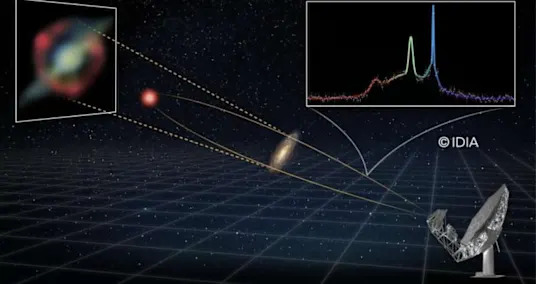
 Record-breaking 'space laser' erupts from merging galaxies 8 billion light-years away
 - 2Insurance warning signs in doctors’ offices might discourage patients from speaking openly about their health
- 3UB professor shares his experience on almost becoming an astronaut
- 4Flu season is underway. What are common symptoms to watch for?
- 5Israeli strike on Gaza City vehicle kills at least four, report says


- Astronauts' brains change shape and position after time in space, study finds
- Doctors thought he had cancer. An offhand suggestion led to a rare diagnosis.
- Choosing the Ideal Bed for Quality Rest and Solace
- Scientists document a death from a meat allergy tied to certain ticks
- Netflix is releasing a documentary on Elizabeth Smart. What to know about her kidnapping, rescue and where she is now.
- Novo Nordisk gears up for December Ozempic launch in India, sources say
- 'Supergirl' drops 1st teaser trailer: Watch Milly Alcock as Kara Zor-El and the return of Krypto the Superdog
- 2 new malaria treatments announced as drug resistance grows
- Astronomers may have spotted the 1st known 'superkilonova' double star explosion


