The Paris Agreement’s “stretch goal” of limiting warming to 1.5 C above preindustrial levels is no longer feasible, according to an analysis of 15 market outlooks compiled by think tank Resources for the Future.
Energy-related CO₂ surpassed 38,000 million metric tons in 2024, and most forecasts don’t expect a peak until sometime between 2030 and 2035, with reductions by 2050 varying significantly. The most aggressive projection — the International Energy Agency’s Net Zero scenario — demands emissions fall by 13.4% every year through 2050 (the steepest drop this century was 5%, during COVID-19 shutdowns). Renewables will keep reshaping the energy mix, rising from roughly 15% of primary energy in 2024 to more than 20% by 2050. But that won’t be enough to meaningfully cut emissions while fossil fuels enjoy strong markets across the Middle East, Asia, and Africa. Rising electricity demand is also compounding the issue. Global power generation roughly doubled between 2000 and 2024, and could climb another 59% — or more than double again under some scenarios — by 2050, driven by the AI boom, the electrification of transport, and the rapid spread of air conditioning. Renewables are expected to supply a chunk of that new demand, but those additional terawatts represent “an energy addition, not an energy transition,” the report’s authors wrote.

LATEST POSTS
- 1
 Instructions to Upgrade the Security Elements of Your Kona SUV
 - 2In a scientific first, biologists recorded a wild wolf potentially using tools
- 3Picking the Right Doctor prescribed Medication Inclusion in Senior Protection.
- 4Danish warship sunk by famed British admiral discovered after 225 years
- 5Knesset FADC extends emergency draft for 280,000 IDF reservists until January 1




- Inconceivable Spots To Stargaze All over The Planet
- A Concise History Of The Entertainment world
- 10 Natural products to Remember for Your Eating routine for a Better You
- Effectiveness Uncovered: A Survey of \Smoothing out Your Errands\ Efficiency Application
- Hidden Island Cameras Capture Rare Tasmanian Species for the First Time Ever
- Kate Middleton and Prince William unveil annual family Christmas card photo with George, Charlotte and Louis
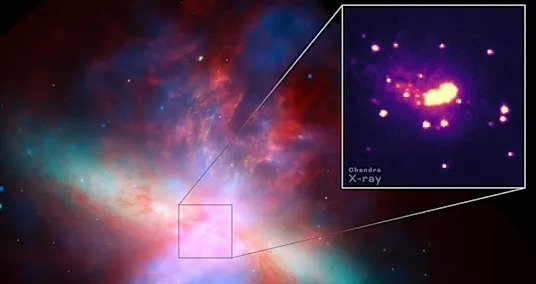
- This star-forming galaxy is blowing out powerful winds topping 2 million mph
- Vote In favor of Your Favored Shimmering Water
- 6 Hints to Upgrade Your Charm, In addition to Your Mentality